
A pool pump is the heart of your entire pool circulation system, so when it starts acting up, everything downstream feels it. Cloudy water, weak jets, and rising energy bills can all trace back to a pump that isn’t running the way it should. At Integrity Pools, we get calls about pool pump issues more than almost anything else, and most of them come down to a handful of common causes.
This guide walks through the pool pump problems we see most often in Dallas homes, what usually causes them, and how to fix or prevent each one.
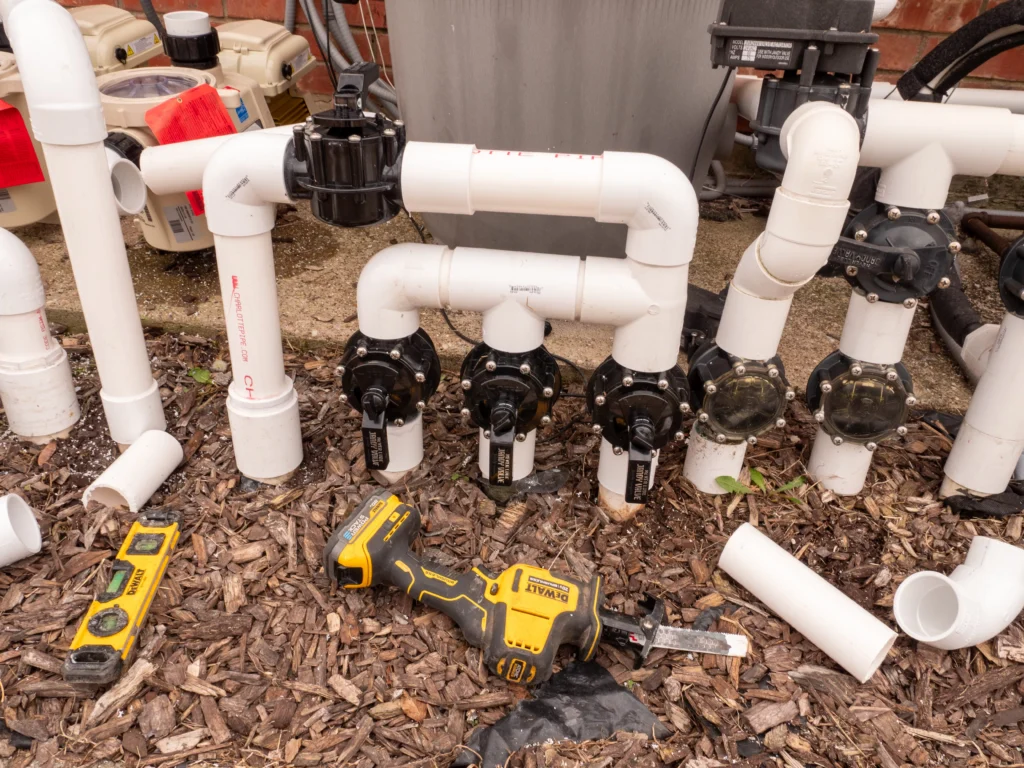
Why Pool Pumps Run Into Problems
Pool pumps run for hours every day, often through the hottest months of the year, and that kind of steady workload adds up. Motor bearings wear down, seals dry out, and gaskets lose their seal over time. Add in Texas heat and heavy pool use during swim season, and parts that would normally last for years can fail sooner than expected.
Most pump problems fall into a few categories: electrical issues, worn mechanical parts, or restricted water flow. Knowing which one you’re dealing with makes troubleshooting a lot faster.
Common Pool Pump Problems and How to Fix Them
Here’s what to check first when your pump isn’t working the way it should.
1. Pump Won’t Turn On
If the pump won’t start at all, the issue is usually electrical rather than mechanical. A tripped circuit breaker is the most common cause, followed by a failed capacitor, which helps start the motor.
Fix:
Check the circuit breaker first and reset it if it’s tripped.
If it trips again right away, don’t keep resetting it. That usually points to a deeper electrical issue.
A failed capacitor will need to be tested and replaced by a technician.
2. Pump Is Making Unusual Noises
A grinding, screeching, or rattling sound almost always points to worn motor bearings. As bearings break down, they lose the ability to keep the motor shaft spinning smoothly.
Fix: Unusual noises are one of the clearest early warning signs of motor failure. Catching this early and having the bearings inspected can prevent a full motor replacement down the road.
3. Pump Won’t Prime or Loses Prime
Priming is how the pump fills with water and builds suction, and if the pump runs but never pulls water, or loses prime shortly after starting, an air leak is the most likely cause. Air getting into the system before the pump keeps it from building the suction it needs.
Fix:
Check the pump basket lid and o-ring for cracks or a loose seal.
Inspect visible fittings and unions for air bubbles, which often signal where the leak is.
Make sure the water level in the pool is high enough to keep the skimmer from pulling in air.
4. Weak Water Flow
Weak flow at the returns usually comes down to something restricting water movement, whether that’s a clogged impeller, a dirty pool filter, or a blockage somewhere in the pool circulation system.
Fix: Start with the easiest checks first. Clean or backwash the filter, clear debris from the pump basket, and inspect the impeller for buildup before assuming it’s a bigger issue.
5. Leaking Pump
Water pooling near the pump is usually traced back to a worn seal, a damaged gasket, or water coming from the weep hole, which is designed to release water when the shaft seal starts to fail.
Fix: A small amount of water from the weep hole is often an early sign that the seal needs replacing, not an emergency. Ignoring it for too long, though, can lead to motor damage if water reaches the motor housing.
6. Pump Overheating
An overheating pump is often caused by restricted airflow around the motor, a failing capacitor, or the pump working harder than it should due to a clog elsewhere in the system.
Fix:
Make sure nothing is blocking ventilation around the pump housing.
Confirm the pump isn’t running dry, which causes heat to build quickly.
Have the capacitor tested if overheating continues after clearing any blockages.
7. Clogged or Broken Impeller
The impeller moves water through the pump, and debris like leaves, small toys, or built-up calcium can clog it or crack it over time. A clogged impeller usually shows up as weak flow, while a broken one often causes the pump to run louder with little to no water movement.
Fix: Turn off power to the pump before opening the housing to inspect the impeller. Clear visible debris by hand, and if the impeller itself is cracked or chipped, it will need to be replaced rather than cleaned.
8. Motor Failure
Motor failure is usually the end result of smaller problems left unaddressed, like worn bearings, a failed capacitor, or overheating that’s gone on too long. Lack of lubrication on moving parts can also speed up wear.
Fix: Consistent pool maintenance catches most of these issues long before the motor fails completely. Once a motor does fail, replacement is typically more practical than repair, especially on older pumps.
9. Full Pump Basket or Pump Housing Issues
A pump basket packed with leaves and debris restricts water flow before it even reaches the impeller, and cracks in the pump housing can lead to leaks or air getting pulled into the system.
Fix: Empty and rinse the pump basket regularly, especially during fall or after storms. Inspect the pump housing for hairline cracks, which are easy to miss but can cause ongoing air leak issues.
Maintenance Tips to Prevent Pump Problems
A few habits go a long way toward keeping your pump running smoothly:
Check water flow regularly. A noticeable drop in pressure is often the first sign that something needs attention.
Empty the pump basket weekly. This keeps debris from restricting flow or straining the motor.
Keep circulation consistent. Poor water flow doesn’t just stress the pump. It also creates the still water conditions that lead to algae growth.
Consider a variable-speed pool pump. These run at lower speeds for routine filtration, which reduces wear and improves energy efficiency compared to single-speed models.
Schedule routine lubrication and inspection. Catching worn parts early is almost always less expensive than replacing a failed motor.
When to Call a Professional for Pool Pump Repair
Some pump issues are simple fixes, like clearing a basket or resetting a breaker. Others, like motor failure, a cracked pump housing, or repeated tripped breakers, are worth having a professional take a look at before the problem gets worse. A technician can diagnose the issue accurately and let you know whether a repair or a full pool pump motor replacement makes more sense for your system.
Get Pool Pump Help Today
A pump that isn’t running right rarely fixes itself, and small issues have a way of turning into bigger repairs the longer they sit. Integrity Pools handles pool pump repair and pool pump replacement for homeowners throughout DFW, and we’ll get your pump back to running the way it’s supposed to. Reach out today for a free estimate before a small problem turns into a costly one.
FAQs
How long should a pool pump last?
Most pool pumps last 8 to 12 years with regular maintenance, though heavy use and Texas heat can shorten that lifespan. Having a functioning pool pump is important for proper water circulation in your pool.
Why does my pump keep losing prime?
Lorem ipsum dolor sit amet, consectetur adipiscing elit. Ut elit tellus, luctus nec ullamcorper mattis, pulvinar dapibus leo.
Is it normal for a pump to make noise?
A quiet hum is normal. Grinding, screeching, or rattling sounds are not, and usually point to worn motor bearings. Reach out to an expert who handles DFW pool repair issues to help diagnose the noises you hear and to assess if you need a new pump or if maintenance is sufficient.
Should I repair or replace my pool pump?
For older pumps with motor failure or major mechanical damage, replacement is often more cost-effective than repair. A technician can help you weigh the options for your specific pump.