
How to Make Your Pool More Sustainable
Eco-friendly pools help cut waste. They can use less power, lose less water, and need fewer chemical fixes over time.
For many pool owners, the goal is simple. They want a pool that costs less to run and is easier to manage. That can apply to a new backyard pool or an existing pool.
At Integrity Pools, the easiest way to think about eco-friendly pools is through three parts:
Energy
Water
Chemicals and upkeep
These three parts shape most choices about pool equipment, pool systems, and pool maintenance. This guide explains what makes a pool more sustainable, which changes matter most, and where to start.
The topic matters across the country. It also matters in Dallas-Fort Worth, where long swim seasons, high heat, and steady water evaporation can make a pool costly to own.
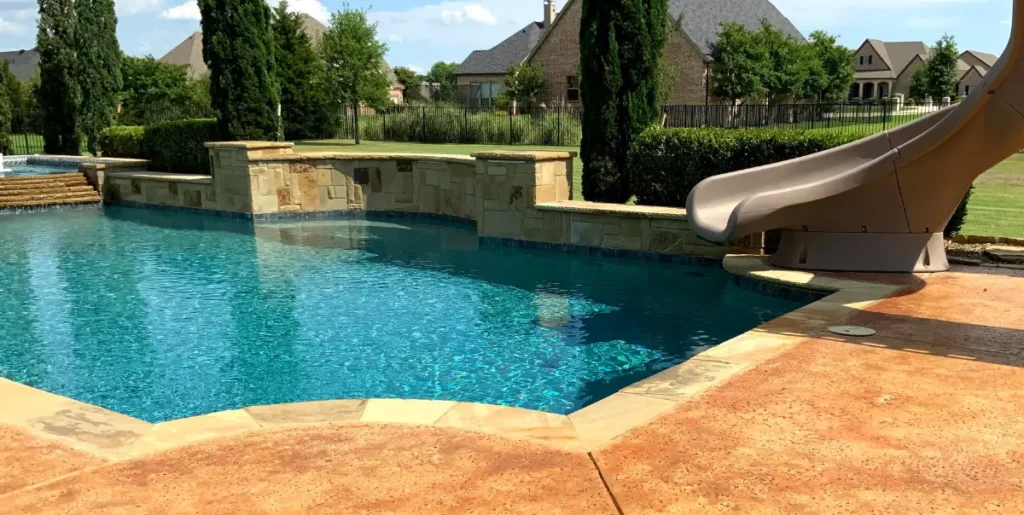
What Makes a Pool Sustainable
A sustainable pool is not defined by one product. It comes from a series of choices that lower waste over time.
Most eco-friendly pools have a few things in common:
Efficient pool equipment
Lower energy consumption
Better control of water use
Less water evaporation
Stable water quality
Lower chemical use
Lower long-term costs
An eco-friendly swimming pool does not need to look unusual. Some homeowners like ideas tied to a water garden, natural pond, natural stone, or aquatic plants. Others may look at a biological filter or a biological filtration system. Those design options can fit some projects, but they are not the usual path for most homes.
In most cases, eco-friendly pools are still traditional pools. The difference is how they run. A greener pool may use variable-speed pumps, a pool cover, better water filtration, and a smarter plan for pool care.
A sustainable pool should do three things well. It should use less energy, waste less water, and stay clean with fewer corrections.
Biggest Impacts: Energy, Water, and Chemicals
If you want to lower environmental impact, start with the parts of the pool that create the most waste.
Energy
Energy use is one of the biggest costs in many pool systems. Pumps, heaters, water features, and automation can all raise energy bills, especially when a system runs too long.
The most useful energy upgrades often include:
Variable-speed pumps
Better run schedules
Less heater use
Lower heat loss with a pool cover or solar cover
Replacing old pool equipment
Variable-speed pumps matter because they move water with less power than older single-speed models. For many pool owners, they are one of the best long-term upgrades.
Water
Water use is another big issue. Pools lose water through evaporation, leaks, splash-out, backwashing, and overfilling.
The best ways to lower water waste often include:
Reducing water evaporation
Watching the water level
Checking for leaks
Avoiding needless draining
Using a pool cover or solar cover
Even small changes can help over the long run.
Chemicals and Operations
A pool that is poorly maintained often uses more chemicals, more water, and more power. When water quality drops, owners may add extra chlorine, run the filter longer, or drain part of the pool.
A better plan focuses on:
Stable water quality
Better water filtration
Consistent pool maintenance
Less use of harsh chemicals
Lower chemical use over time
This is one reason low-maintenance habits matter. Eco-friendly pools depend on good routines, not just new gear.
Priority Roadmap: Do This First
Not every change should happen at once. Start with the steps that have the biggest effect.
1. Reduce clear waste
Before major upgrades, look for waste that is already happening.
That may include:
Pump schedules that run too long
High water evaporation
Unstable chlorine levels
Old pool equipment
Repeat water quality problems
These are often the easiest problems to fix. They are also one of the fastest ways to improve efficiency.
2. Upgrade the hardest-working systems
Next, focus on the equipment that does the most work each day.
For many pool owners, that means:
Variable-speed pumps
A better filter system
Smarter circulation controls
A stronger pool cover plan
These changes can lower energy costs, improve water clarity, and reduce maintenance cost.
3. Add targeted upgrades
Once the basics are in place, added features can help even more.
Examples include:
Solar panels or solar-powered add-ons
More efficient water features
Better controls for heating and filtration
These upgrades work best when the core pool systems are already efficient.
4. Build a long-term plan
The best sustainable swimming pools are managed well over time.
That means:
Adjusting for seasonal water temperatures
Watching water level and water quality
Keeping the filter system in good shape
Preventing problems before they need big chemical fixes
Energy efficiency is one of the strongest parts of an eco-friendly pool. Many traditional pools use more power than they need because they rely on old pool equipment or poor run schedules.
A well-run pool should keep clean water and a good swimming area without wasting power. For most pool owners, the most relevant upgrades include:
Variable-speed pumps
Smarter filtration schedules
Lower heater demand
Less heat loss through a pool cover or solar cover
This is often what separates sustainable pools from a conventional pool. The main difference is not looks. It is how well the system runs each day.
Learn more in Energy-Efficient Pools.
Water Conservation Overview
Water conservation is central to eco-friendly pools because water loss is easy to miss. In hot weather, water evaporation can become a major source of waste.
A more sustainable pool should protect swimming pool water instead of replacing it again and again.
Strong water-saving steps include:
Using a pool cover
Reducing heat loss and evaporation
Keeping the water level in the right range
Catching leaks early
Supporting clean water through better upkeep and filtration
A pool cover is one of the most practical upgrades for many homeowners because it can reduce both water use and heat loss.
Read Pool Water Conservation Strategies.
Also see Pool Covers for Heat Retention and Evaporation.
Eco-Friendly Maintenance Overview
Pool maintenance has a direct effect on sustainability. A neglected pool is often more costly, less efficient, and more chemical-heavy.
Good maintenance supports:
Clean water
Better water clarity
Lower chemical use
More efficient water filtration
Lower maintenance cost over time
Saltwater may also be part of the discussion. A saltwater pool can reduce the day-to-day handling of some pool chemicals and may feel gentler than some traditional pools. But a saltwater pool is not always the greener choice. It still depends on the equipment, upkeep, and total water and energy use.
For most pool owners, the main goal is simple: keep clean water with less waste.
Solar Options Overview
Solar can support an eco-friendly pool plan, but it is not usually the first step. It works best when the pool already controls evaporation, heat loss, and equipment waste.
Depending on the pool and the property, solar options may include:
Solar panels for pool heating
Solar-powered add-ons
A solar cover to help retain heat
For some pool owners, these features can lower energy costs. But they bring the most value when paired with efficient core systems.
Explore Solar Pool Heating.
North Texas Quick Wins
This page is meant to rank for eco-friendly pools at a national level, but North Texas pool owners face a few local issues that make efficiency even more important.
In DFW, useful quick wins include:
Using heat-aware pump schedules
Taking water evaporation seriously in summer
Watching water level during windy periods
Checking local water rules before major refilling
Following local guidance for draining or discharge
These local issues do not change the core best practices. They just make them more urgent.
FAQs
What is an eco-friendly pool?
An eco-friendly pool is a pool designed or managed to reduce energy use, water waste, and extra chemical use while still keeping the water clean.
Are saltwater pools more eco-friendly?
A saltwater pool can reduce direct handling of some pool chemicals, but it is not always more sustainable. The result depends on equipment, upkeep, and total water and energy use.
What is the best upgrade for an existing pool?
For many pool owners, variable-speed pumps and a pool cover are two of the most useful upgrades because they can cut both energy consumption and water evaporation.
Do eco-friendly pools cost more?
The initial cost can be higher when better pool equipment or upgraded pool systems are involved. But many changes lower energy bills and reduce long-term maintenance cost.
Can traditional pools be made more sustainable?
Yes. Many traditional pools can become more eco-friendly through better pool maintenance, improved water filtration, smarter equipment choices, and better control of water use and heat loss.
Next Steps
Creating an eco-friendly pool does not require a full redesign. In many cases, the best way forward is to improve the basics first: efficient equipment, lower water waste, and better maintenance habits.
Integrity Pools helps pool owners find practical ways to improve performance, reduce environmental impact, and build a more sustainable pool over the long term.