
Pool resurfacing is one of the most important decisions pool owners make when it comes to maintaining long-term value, safety, and aesthetic appeal. At Integrity Pools, we help clients across the United States, especially those in heat-intensive regions like Texas, choose from the many pool resurfacing options available to fit their backyard goals, budget, and type of pool. From durable finishes to cost-effective materials, this guide will help you make an informed decision based on your specific needs.
How to Choose the Best Pool Resurfacing Material
When you’re planning a pool resurfacing project, start by thinking about what your pool needs now and what you want from it in the future. Different materials have strengths that align with factors like:
- Pool size, shape, and depth
- Type of pool, such as concrete pool, gunite pool, or fiberglass
- Desired aesthetic appeal and finish color
- Exposure to UV rays, debris, and water loss
- The amount of pool maintenance you’re willing to perform
Some pool owners want a smooth finish for easy cleaning and minimal algae growth, while others prefer textured surfaces that offer a natural look. Whether you’re refreshing old plaster or completely upgrading your pool’s appearance, the right materials can transform your entire pool area into a true backyard oasis.
How Climate Affects Your Pool Resurfacing Choice in Texas
Texas brings intense seasonal heat, extended UV exposure, and sudden weather shifts that place more stress on pool surfaces than in most other regions. Prolonged sunlight accelerates fading and breakdown of weaker materials, while temperature swings can cause surface expansion issues.
Plaster and epoxy tend to break down faster under Texas heat, often leading to discoloration or roughness sooner than expected. More durable materials, including PebbleTec, quartz, exposed aggregate, and glass bead interiors, withstand UV rays, chemical fluctuations, and high temperatures far better. These choices hold their color and structural integrity longer, making them a reliable long-term option for Texas homeowners.

Budget Considerations When Choosing a Pool Finish
Each resurfacing material offers its own balance of cost, longevity, and visual impact. Here is a clear breakdown:
Budget-Friendly
Plaster and epoxy paint provide clean appearance at a lower upfront cost. However, they may require resurfacing more frequently in Texas due to heat and UV exposure.
Mid-Range
Quartz finishes and standard exposed aggregate provide stronger durability, more color variety, and better performance in high-heat environments.
Luxury
Premium PebbleTec finishes, glass tile, and bead interiors offer exceptional longevity, superior aesthetic appeal, and excellent heat resistance.
Cost Factors in Your Pool Resurfacing Project
Several elements influence the total Pool Resurfacing Cost:
- Pool size and shape
- Type of finish (plaster, quartz, PebbleTec, tile, etc.)
- Condition of the existing surface
- Required surface preparation
- Whether pool deck resurfacing is needed
- Labor and professional installation requirements
Cost is typically calculated per square foot but varies depending on the chosen material and extent of preparation needed.
Top Pool Resurfacing Materials Compared
Plaster Finishes
Plaster is the most traditional and widely used pool resurfacing option. Classic white plaster provides a clean, smooth surface and is often considered a cost-effective option for resurfacing large pools. However, plaster finishes do have drawbacks. Over time, they are prone to staining, chipping, and surface roughness, especially in climates with high UV exposure. Pool replastering is often needed every five to seven years to maintain appearance and function. Despite its shorter lifespan, plaster remains a popular choice due to its affordability and simple look.
Pebble Finishes and PebbleTec
For pool owners wanting a more durable and visually striking finish, pebble surfaces like PebbleTec are a top-tier choice. These finishes use small stones to create a natural texture that resists algae growth, hides wear and tear, and withstands exposure to harsh sun and pool chemicals. Pebble Pool Finishes come in various colors and textures, adding depth to your pool water and enhancing the overall design.
Although more expensive than plaster, their strength and appearance make them a long-term and low-maintenance investment. These surfaces also feel different underfoot. Some people love the textured surface, while others prefer something smoother. Pebble finishes are a great fit for families who use their pool frequently and want both durability and aesthetic appeal.
Quartz Finishes
Quartz finishes combine plaster with crushed quartz and additives for improved durability and richer color. They are more resistant to erosion and pool chemicals than basic plaster, and they can add a subtle sparkle to your pool’s appearance.
With proper maintenance, quartz finishes can last over a decade and offer a strong balance of cost, longevity, and visual appeal. For pool owners looking for a middle ground between plaster and premium materials, quartz is a strong contender.
Glass Tile and Glass Beads
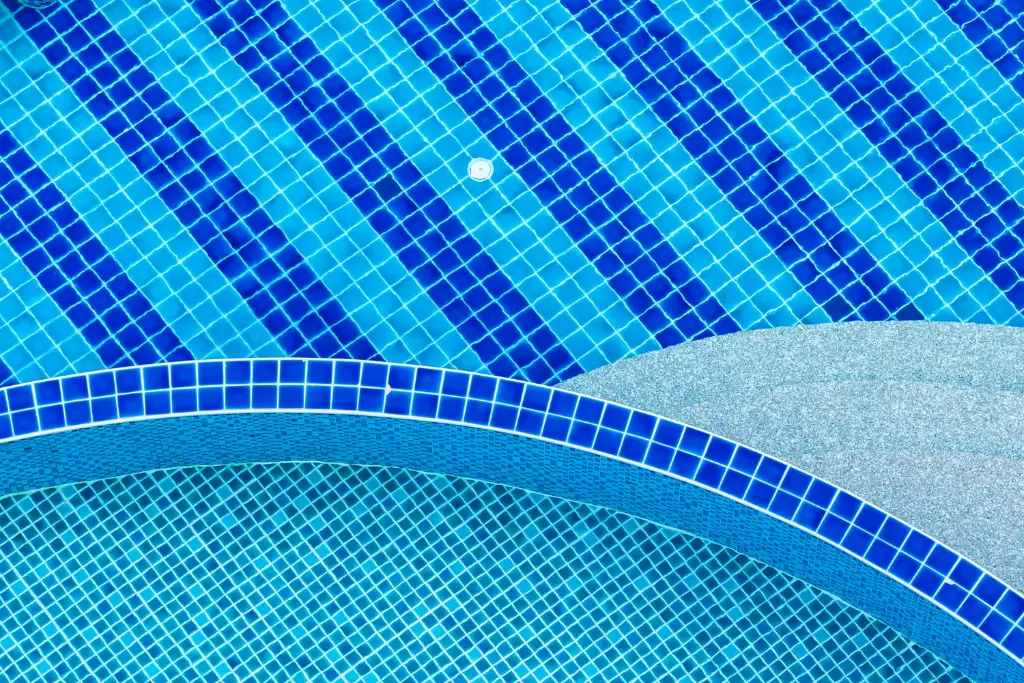
For a truly luxurious finish, many homeowners choose glass tile or glass beads. These options add shine, depth, and a custom feel to the waterline, steps, or even the entire surface layer. Available in countless pool designs and various colors, they enhance both visual appeal and water color.
Because they require professional installation and careful surface preparation, glass tiles are best suited for higher-end remodels. They are also among the most durable materials available.
Epoxy Paint and Pool Paint
When budget is a concern, epoxy paint can be a practical temporary solution. It adds a new layer of protection and improves your pool’s look, but it will not last nearly as long as other materials.
Epoxy paint works best on older pools that need a short-term fix or where pool resurfacing cost is a limiting factor. However, it may not handle Texas heat and UV rays as well as more permanent surfaces.
Fiberglass Resurfacing
Fiberglass offers a smooth, low-maintenance surface and is often used when vinyl liners or concrete pools begin to degrade. It includes a gelcoat that seals the surface and reduces water loss, algae growth, and rough areas.
Though fiberglass resurfacing is more expensive than paint or plaster, it provides a long-term solution and a smooth finish that appeals to swimmers of all ages.
When to Resurface Your Pool
Some of the most obvious signs of wear include discoloration, cracks, rough patches, or increased pool maintenance needs. Damage to pool tile, leaks in the pool shell, or cloudy pool water can also indicate it is time to invest in a resurfaced pool.
Swimming pool resurfacing not only extends the life of your pool but improves safety and enhances the entire pool area. Whether your pool has lost its color or you are tired of high maintenance costs, updating the surface gives you peace of mind.
Pool Resurfacing vs. Pool Replastering
While sometimes used interchangeably, pool resurfacing and pool replastering are not the same. Resurfacing involves replacing the top surface layer and sometimes making structural repairs, while replastering refers only to applying a fresh coat of plaster.
If your gunite pool or concrete pool has serious damage, full resurfacing may be required. Replastering works best when the surface is mostly intact but needs cosmetic improvement.
What Is the Best Material to Resurface a Concrete Pool?
For a concrete pool, durable materials like quartz finishes, PebbleTec, and exposed aggregate offer the best balance of style, durability, and lifespan. These materials bond well with concrete, resist cracking, and withstand the effects of pool chemicals, UV rays, and frequent use.
While white plaster remains a common option, it requires more frequent maintenance. Choosing the best material for your concrete pool depends on your budget, expected maintenance needs, and desired look.
Working with Pool Professionals
Choosing skilled pool contractors, pool builders, or a trusted Swimming Pool Contractor is key to ensuring your investment lasts. The right team will assess your pool type, explain available finishes, and recommend the best approach for your pool resurfacing project.
They will also help you maintain proper water chemistry, manage pool chemicals, and avoid premature deterioration. At Integrity Pools, we focus on helping homeowners protect their investment and restore the beauty of their backyard space.
Ready to Transform Your Pool with the Best Finish?
Every pool is different, which is why choosing the best option comes down to matching material with your pool needs, lifestyle, and climate. Whether you are resurfacing a small in-ground pool or a large backyard oasis, the right finish can improve comfort, reduce upkeep, and enhance the visual appeal of your outdoor space.
Integrity Pools brings years of experience to help you choose the right resurfacing solution. From popular choices like PebbleTec and quartz finishes to custom tile work, we help homeowners achieve a beautiful, long-lasting result.
If you are ready to resurface your pool, reach out to our team for expert guidance and personalized recommendations. We will ensure you make the most of your investment, one smooth surface at a time.